
“A child’s future cannot grow on an empty stomach. When hunger is removed, health improves, learning begins, and childhood is protected with dignity, care, and hope for a stronger tomorrow.”
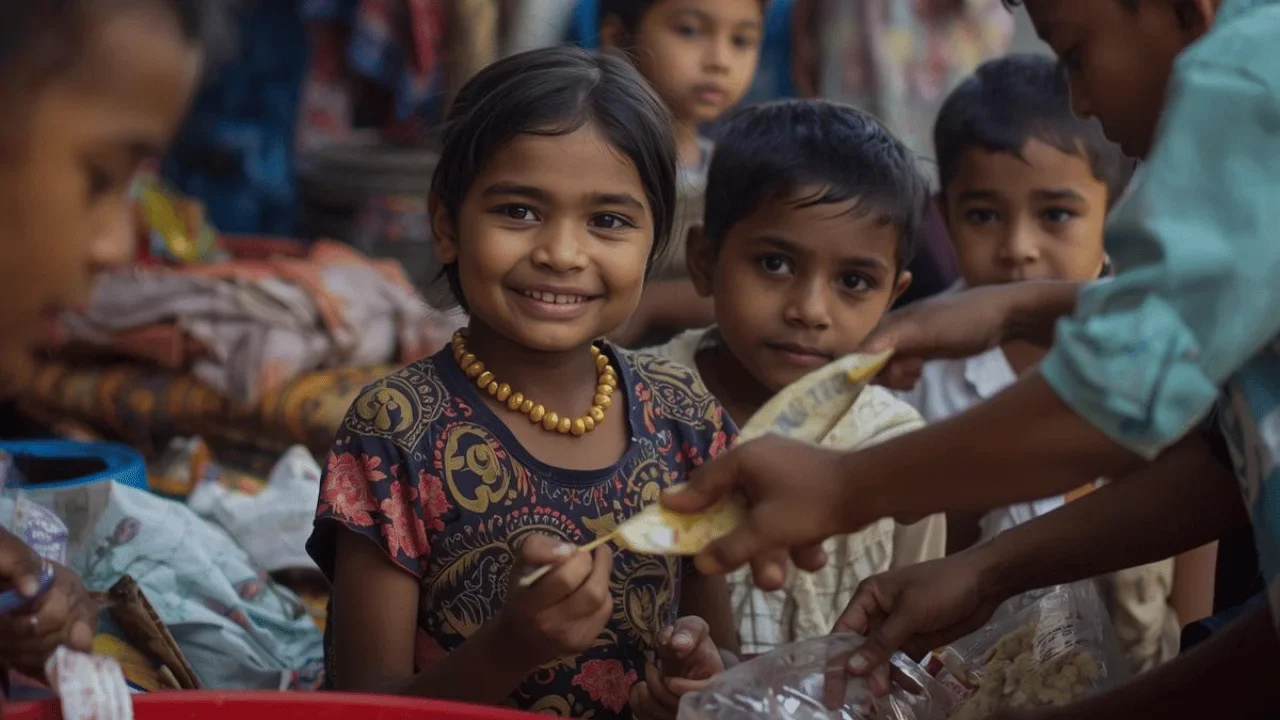
Hunger affects more than the body; it impacts a child’s ability to think, learn, and grow with confidence. Children who do not receive regular, nutritious meals often struggle with poor health, low energy, and weak concentration. This directly affects school attendance and academic performance. Over time, hunger can lead to long-term physical and emotional damage. Protecting childhood means ensuring that no child is forced to learn, play, or dream on an empty stomach. Addressing hunger is the first step toward restoring dignity, stability, and opportunity in a child’s life.
Without timely intervention, hunger silently limits potential, widens inequality, and robs children of experiences essential for healthy development, emotional security, and a hopeful vision of their future.
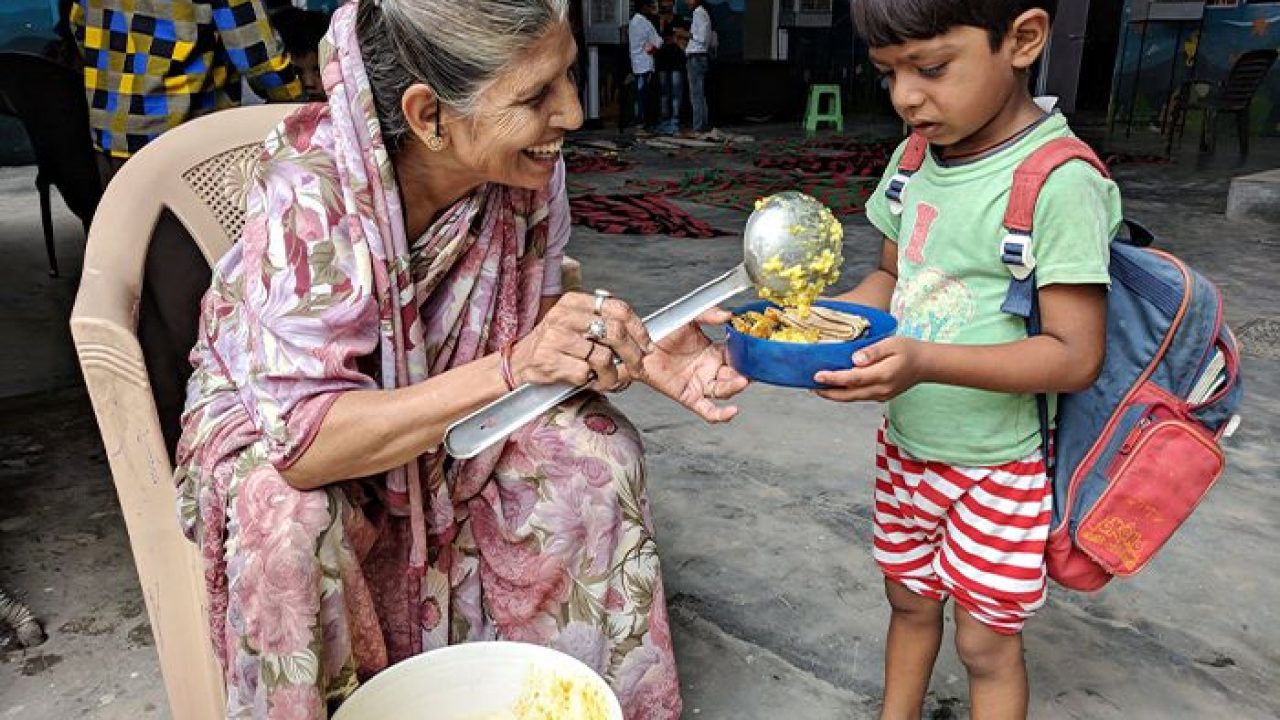
Proper nutrition is essential during the formative years of childhood. It supports brain development, physical growth, and emotional well-being. When children are well-nourished, they are more active, attentive, and resilient. Families struggling with poverty often prioritize survival over balanced meals, leaving children vulnerable. Providing consistent food support reduces illness, improves school participation, and strengthens overall development. Nutrition is not just about feeding hunger; it is about laying a strong foundation for lifelong health, learning, and productivity.
Adequate nutrition empowers children to reach developmental milestones, build immunity, and develop cognitive skills that shape academic success, confidence, and long-term social and economic stability.
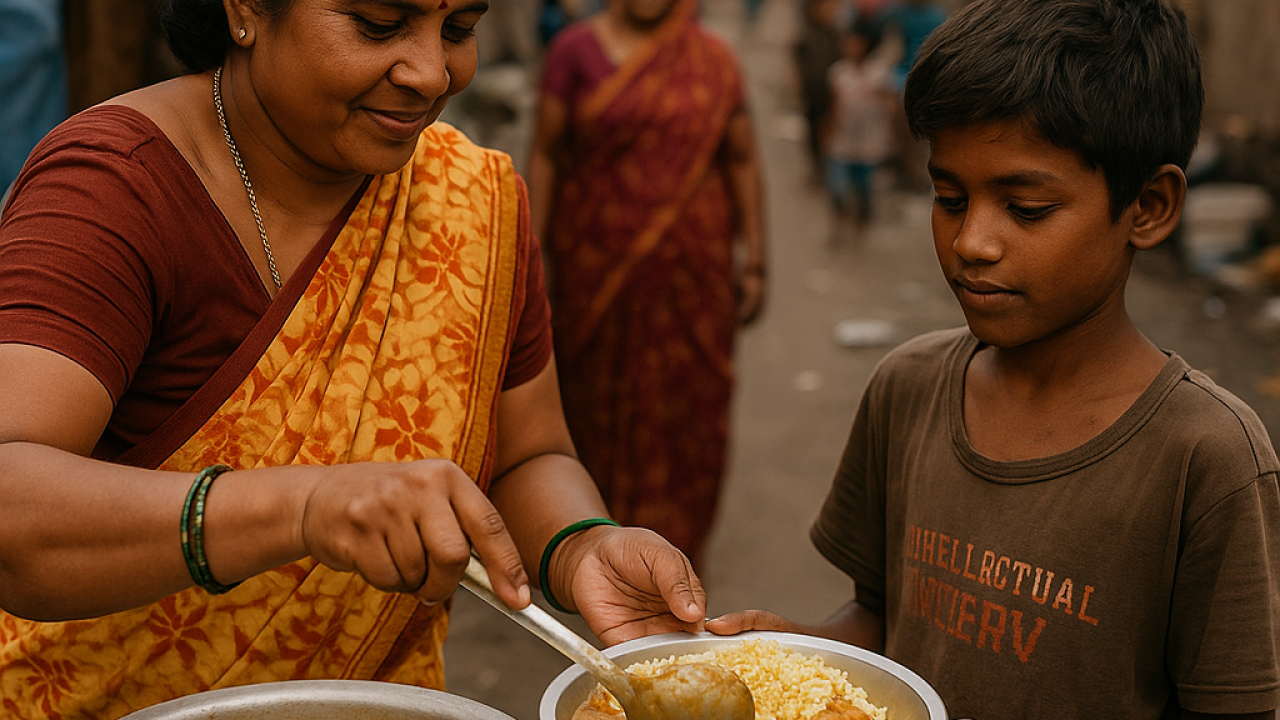
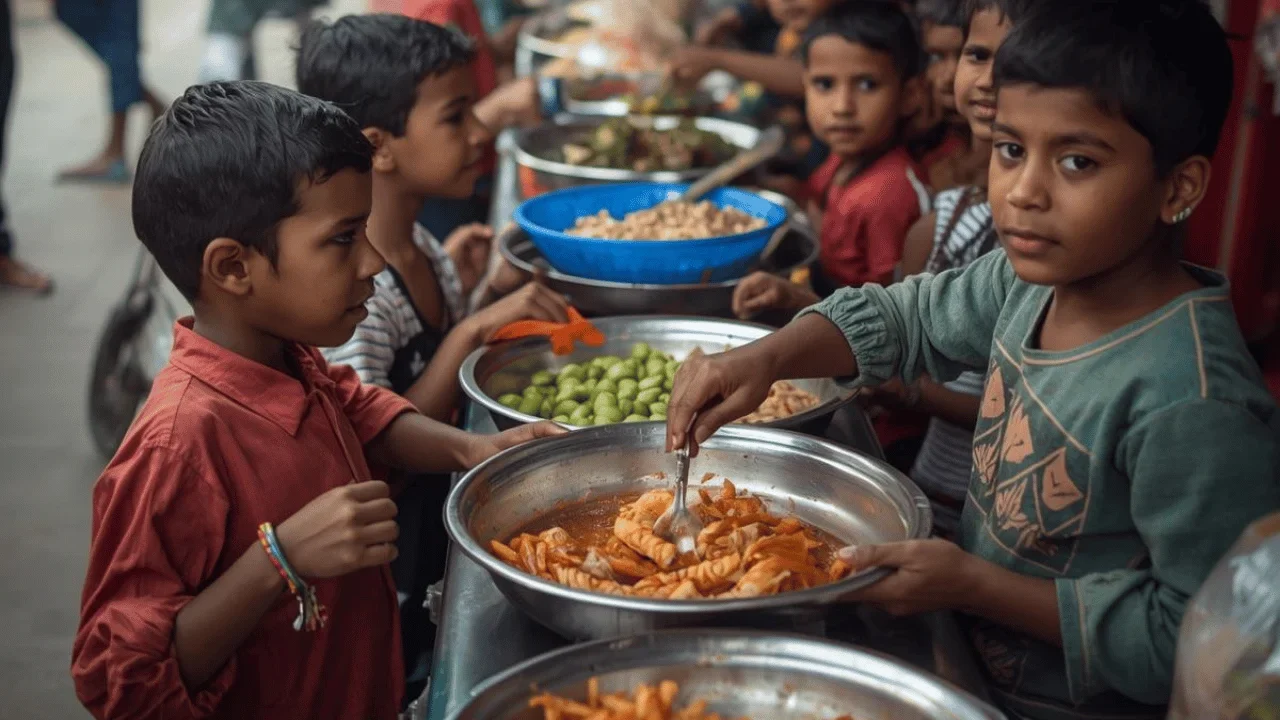
Ending child hunger requires collective responsibility. Community-driven initiatives help identify families in need and deliver timely support. When local volunteers, organizations, and donors work together, food support becomes more effective and sustainable. These efforts create a safety net that ensures children are not overlooked during times of crisis. Protecting childhood lives means building systems that respond quickly and compassionately. Strong community involvement turns concern into action and ensures that no child is left hungry or forgotten.
Community participation strengthens trust, improves outreach, encourages accountability, and builds long-lasting solutions that protect children from recurring hunger and support families during vulnerable periods.
“A child’s future cannot grow on an empty stomach. When hunger is removed, health improves, learning begins, and childhood is protected with dignity, care, and hope for a stronger tomorrow.”
We will share recent updates and progress of this campaign here. Stay tuned for the latest developments and success stories.